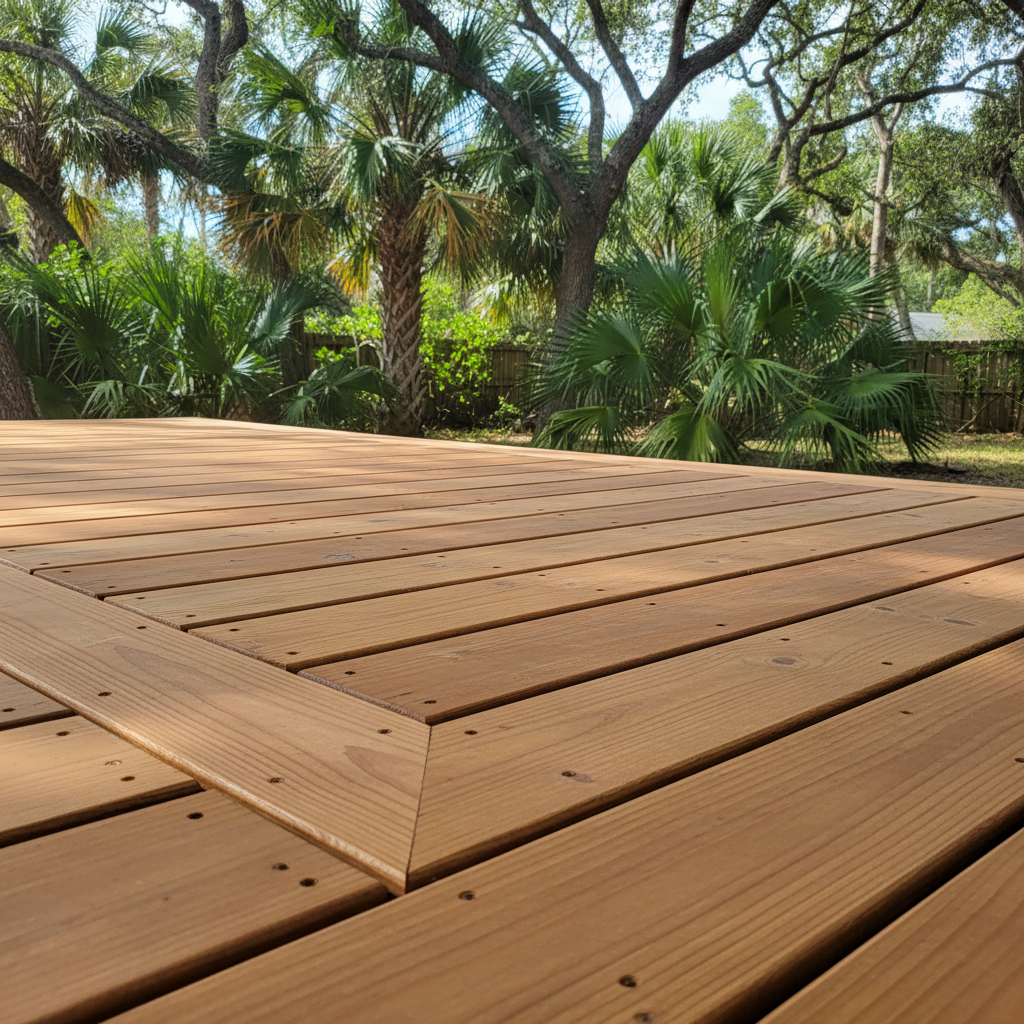
So, you want a deck. That's awesome! A good deck can totally transform your backyard, giving you a great spot for grilling, relaxing, or just enjoying our beautiful Florida weather. But before you start sketching plans or buying lumber, let's get real about what goes into building one, especially here in St Cloud.
Before You Even Dig: Planning & Permits
First things first: planning. This isn't just about how big you want it. You need to think about what you'll use it for. Is it just for a couple of chairs, or do you want to host big family barbecues? That'll dictate size, materials, and even how much support it needs. You also need to consider drainage around your house, especially with our heavy summer rains. You don't want water pooling under your new deck.
Then there's the big one: permits. You absolutely, positively need to check with the City of St Cloud Building Department. Don't skip this. Building without a permit can lead to huge headaches, fines, and even having to tear down your work. They'll have specific requirements for things like setback from property lines, structural integrity, and hurricane strapping, which is super important for us down here. Getting a permit means your deck will be built to code, which is good for safety and resale value. This is typically a homeowner's responsibility, even if you hire a contractor. A good contractor, like us at Omega Deck Co, will guide you through the process or handle it for you, but you should always be aware it's happening.
DIY or Pro? Knowing Your Limits
This is where a lot of folks get stuck. Can you build a deck yourself? Maybe. Some parts, definitely. Other parts? Not so much.
- DIY Friendly: Things like staining or sealing an existing deck, replacing a few worn-out boards, or even building a small, ground-level platform deck (after checking permit requirements for size) can be good DIY projects. If you're handy with tools, understand basic carpentry, and have a good eye for detail, you can probably handle some of the finishing touches.
- When to Call a Pro: Any elevated deck, anything attached to your house, or anything requiring complex footings and structural calculations? That's pro territory. We're talking about ensuring proper ledger board attachment to your home's framing, correct joist spacing, beam sizing, and making sure those posts are set deep enough to handle our sandy soil and potential wind uplift. Getting the foundation wrong can be catastrophic. Seriously, you don't want your deck collapsing because the footings weren't right or the ledger wasn't properly flashed against your house, leading to rot.
Look, I've seen plenty of well-intentioned DIY deck projects that ended up costing more to fix than if a pro had done it right the first time. If you're unsure about any structural aspect, or if you're dealing with a multi-level design, it's worth getting a few quotes. We're happy to give you an honest assessment.
During Construction: What to Watch For
Whether you're doing some of it yourself or watching a crew, here's what to keep an eye on:
- Materials: Make sure they're using pressure-treated lumber for anything touching the ground or exposed to moisture. For decking boards, consider composite materials like Trex for low maintenance, or good quality cedar or redwood if you prefer natural wood.
- Fasteners: All screws and nails should be rated for outdoor use and compatible with pressure-treated lumber to prevent corrosion.
- Safety: Are guardrails and handrails sturdy and up to code? Are stair risers consistent? These details matter for safety.
If you've hired Omega Deck Co, you won't have to worry about these details – we've got them covered. But it's always good for you to understand what's happening.
After It's Built: Maintenance Matters
A deck isn't a 'set it and forget it' kind of thing. It needs a little love to last, especially with our intense sun and humidity here in Central Florida.
- Cleaning: Regular cleaning with a deck cleaner will prevent mildew and grime buildup. Our humid climate is a breeding ground for green stuff, so a good scrub once or twice a year goes a long way.
- Sealing/Staining: If you've got a wood deck, you'll need to re-seal or re-stain it every few years. This protects the wood from UV damage and moisture.
- Inspections: Periodically check for loose boards, wobbly railings, or signs of rot or insect damage. Catching small problems early can prevent bigger, more expensive ones down the road.
Building a deck is a big project, but it's incredibly rewarding when done right. Don't rush it, do your homework, and know when to call in the experts. Your backyard oasis awaits!