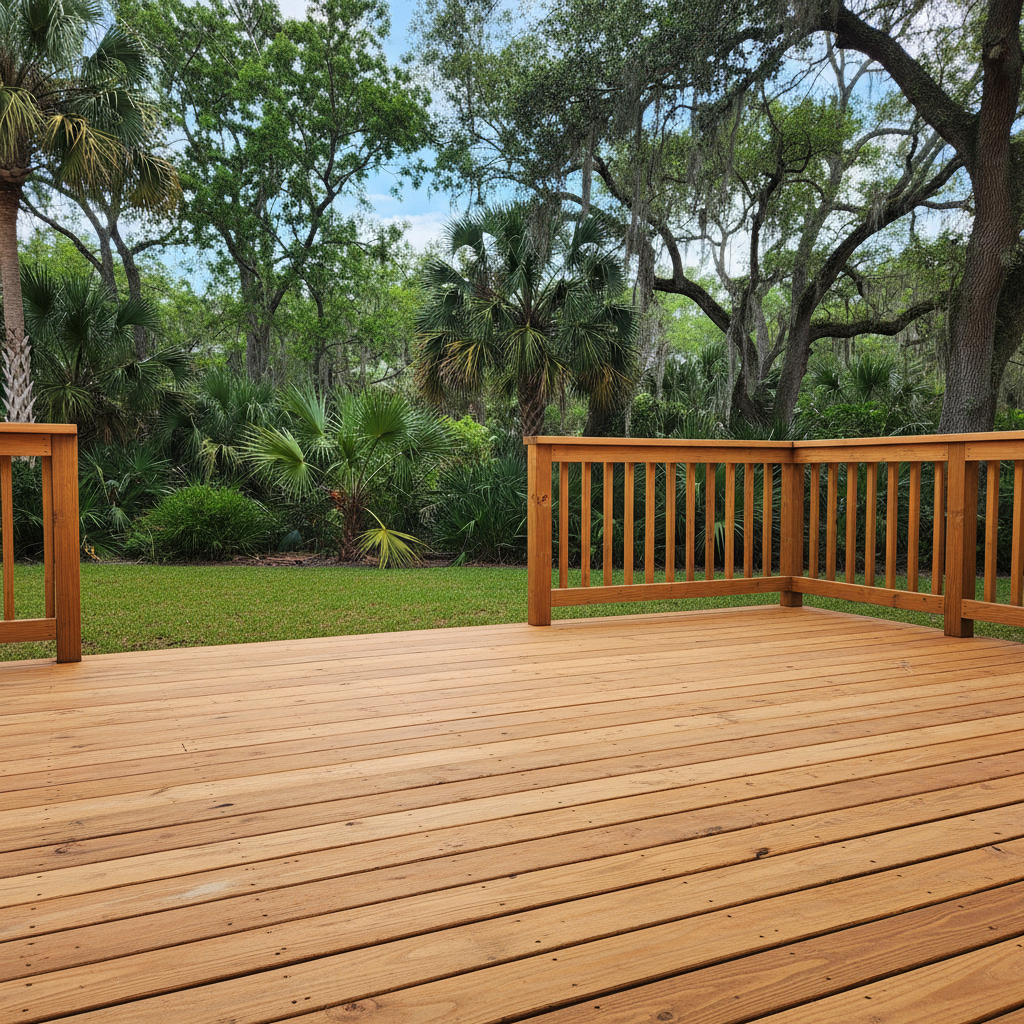
Alright, let's talk about your deck for a minute. You've probably invested a good chunk of change in it, maybe even had Omega Deck Co. out for a repair or two, and now you want that work to actually stick. That's a smart move, honestly, because down here in St. Cloud, our Florida climate doesn't exactly play nice. The sun, the humidity that just hangs in the air, the sudden downpours – it all really works against your outdoor living space. But here's the thing: with a little bit of know-how and some consistent effort, you can absolutely make your deck last longer, keep it safe, and ensure it looks good for years. It's totally doable.
Making Deck Repairs Hold Up in Florida's Heat
So, a repair's been done. How do you make sure that fix isn't just a temporary patch? It really comes down to understanding what causes these problems in the first place, and then pushing back against those forces. Here's what I've seen play out over my many years in this business:
- Seal It Up: This is a really big deal, especially if you have a wood deck. Florida's high humidity means moisture is always trying to sneak into your wood. What happens then? It swells, cracks, and eventually starts to rot. A good quality stain and sealant acts as your first line of defense against all that. You'll want to put a fresh coat on every one to two years, sometimes even more often if your deck gets a lot of direct sun or heavy foot traffic. A good rule of thumb: if water isn't beading on the surface anymore, it's definitely time to reseal.
- UV Protection is Key: That super intense Florida sun isn't just fading your patio furniture; it's actually breaking down the fibers in your deck's wood. Using a UV-resistant stain or paint isn't just about keeping things looking nice; it's about protecting the material itself, which is pretty important.
- Good Drainage Matters: Make sure water isn't just sitting around, either on or under your deck. Proper drainage stops moisture from building up, and that moisture is a perfect breeding ground for mold, mildew, and rot. This is especially true for ground-level decks, which are common in places like Narcoossee, where poor drainage can really lead to some big headaches.
- Choose Quality Materials (for new stuff): If you're replacing some boards, make sure you're using materials that are actually made for our climate. Pressure-treated pine is pretty common, but remember, it still needs regular sealing. Hardwoods like Ipe or composite materials are also excellent choices for standing up to rot and insects, which are always a concern here.
What Regular Deck Maintenance Really Looks Like
Think of it kind of like changing the oil in your car – doing these consistent, simple tasks can really prevent some major problems down the road. Here's a solid routine:
- Clean It Often: Sweep off leaves, dirt, and any other debris every week. This stops moisture from getting trapped underneath and keeps mold and mildew from taking hold. At least once a year, give the whole thing a good scrub with a mild detergent or a cleaner made specifically for decks. You can use a pressure washer, but honestly, be careful not to damage the surface.
- Inspect It Regularly: Don't just clean; really take a good look at your deck. Check for any loose boards, nails or screws that have popped up, or any odd discoloration. Catching these things early makes a big difference.
- Trim Back Plants: Keep plants and bushes trimmed away from the deck. This helps with airflow, which means the deck dries out faster after it rains, cutting down on moisture buildup.
- Clean Up Spills Fast: Food, drinks, chemicals – clean them up quickly to stop stains from setting in.
Warning Signs Your Deck Has Problems
Your deck will definitely tell you when something's wrong; you just need to know how to pay attention. Here are the red flags you should look out for:
- Soft or Spongy Wood: This is a really big one, a major red flag. If you step on a board and it feels squishy or flexes too much, or if you can easily push a screwdriver into the wood, you've probably got rot. This isn't just about how it looks; it can point to serious structural issues.
- Discoloration or Fungal Growth: Dark spots, a graying appearance, green or black algae, or even little mushrooms growing on your deck are all clear signs of moisture problems and potential rot.
- Wobbly Railings or Posts: Railings are there for safety, right? If they're loose, that's a serious hazard that needs to be addressed immediately.
- Popped Nails or Screws: Fasteners that are coming up can be a tripping hazard, and they often mean the wood around them has shrunk or shifted because of moisture. Rust streaks around them are also a bad sign, indicating moisture is getting in.
- Gaps Where the Deck Meets the House: The ledger board connection is absolutely critical for your deck's safety. Gaps or water stains here mean that connection might be failing, and that's a major structural concern you shouldn't ignore.
- Sagging or Uneven Areas: If parts of your deck are sagging or feel bouncy when you walk on them, the underlying support structure could be compromised. This is another serious safety issue.
When It's Time to Call a Professional
Look, a lot of the minor maintenance stuff you can totally handle yourself. But there are definitely times when it's just smarter, safer, and honestly, more cost-effective in the long run to bring in a pro like us at Omega Deck Co. (and that's not a small thing).
- Structural Concerns: If you find soft spots in the joists or beams, notice significant sagging, or have issues with the ledger board connection, don't mess around with it. These are serious safety hazards that really need expert attention.
- Extensive Rot or Pest Damage: If rot has spread beyond just a board or two, or if you suspect termites (which are, let's be real, a constant threat here in Florida), a professional can assess the full extent of the damage. They'll also recommend the right course of action to fix it properly.
- Complex Repairs: If the repair involves cutting into the main structure, or if you're just not comfortable with how big the job is, that's when you call us. We've got the tools, the experience, and the knowledge of local building codes to make sure it gets done right.
- Lack of Time or Expertise: Sometimes you just don't have the time, or frankly, the desire to tackle a big project. And you know what? That's perfectly fine! We can handle it, making sure the job is completed efficiently and correctly, so you don't have to worry.
Your deck is a real extension of your home, and with Florida's climate, it definitely needs a little extra love and attention. Stay on top of the maintenance, learn to recognize the warning signs, and don't ever hesitate to call in the cavalry when you need to. Doing so will help keep your deck safe, looking beautiful, and fully functional for many years to come.